
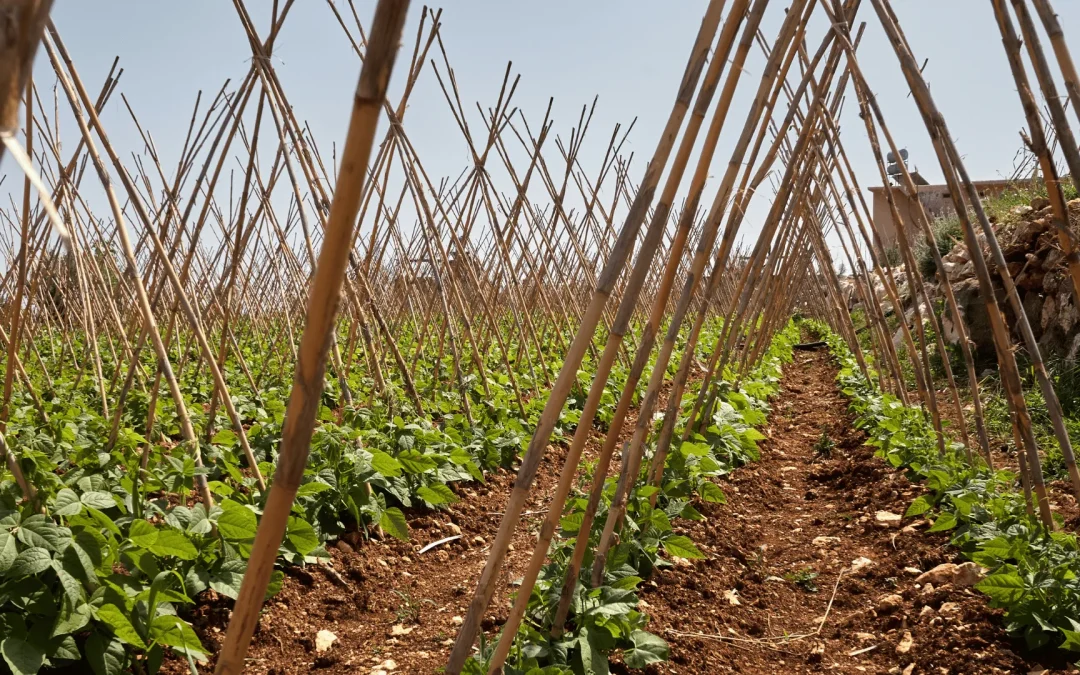
Understanding the cost comparison for treated pine vs hardwood garden stakes is crucial. However, this is often overlooked by gardeners, especially those who focus solely on the initial low price. To reduce planting costs, a buyer chooses the lowest-priced garden stakes. While this may seem economical at first glance, after just a year, the stakes have become hollow in the soil, weathered, and broken. This situation inevitably forces him to spend more money on replacements.
Treated Pine vs Hardwood Garden Stakes: the Basics
Before you buy, it’s crucial to understand the fundamental differences between these two garden stake materials. Treated pine is made from soft pine wood. This material is injected with a high-pressure preservative. This prevents rot caused by soil moisture, mold, and termites. The result is a lightweight stake that remains economical.
Meanwhile, hardwood relies on its own natural strength. Without the need for injection, this wood already possesses extraordinary durability. Hardwood has a dense fiber and a high natural oil or tannin content. This results in much greater strength when supporting large and heavy plant stems. However, it’s important to emphasize that the durability of hardwood usually depends on the type of wood.
Cost Comparison for Treated Pine vs Hardwood Garden Stakes
Don’t just look at the price tag in the store to accurately calculate the difference in costs. Use a comprehensive cost evaluation that includes:
| Comparative Factors | Treated Pine | Hardwood |
| Starting price per stick | Much cheaper when purchased. | More expensive. |
| Age of use in the soil | Rots quickly. | Can last for years. Usually the durability of hardwood depends greatly on the type of wood. |
| Weight and shipping costs | It’s lighter, so shipping costs are cheaper. | Heavier, thus increasing transportation costs. |
| Physical strength | Strong enough to support light to medium plants. | Impact and wind load resistant. |
| Reuse | It can still be reused, but the opportunities and number of use cycles are much more limited compared to hardwood. | Can be reused for future planting seasons. |

How to Calculate Cost per Season
In doing cost comparison for treated pine vs hardwood stakes, calculating the real cost of a garden stake it’s very simple. You can simply divide the purchase price per stem by the number of seasons the stake can be reused. This formula will certainly help you assess efficiency and the actual costs each time you start planting.
For example, let’s look at the comparison. If you use treated pine, its lifespan is generally 1 to 2 growing seasons before decay occurs. On the other hand, a single hardwood trunk can last for 6 to 10 seasons and be reused. This, of course, makes the cost per season much lower.
Other Things to Consider
There are other important things to consider before purchasing garden stakes, including:
Preservative safety: Always ask about the type of preservative used in treated pine. Make sure the chemical doesn’t leach into the soil and plants.
- Legality of wood source: Ensure the wood comes from legal logging.
- Size availability: Check the length and thickness variations in stock in store to suit your needs.

Cover
Understanding the cost comparison for treated pine vs hardwood garden stakes is crucial. This will help you choose the most appropriate material for your garden. If you need many stakes, choose treated pine. This material is ideal for short-term use.
Conversely, choose hardwood if you plan to garden long-term. Hardwood is very sturdy and can withstand repeated use for years. Ultimately, there’s no one-size-fits-all choice for all garden projects. However, you can tailor your material choice to your planting goals and budget.
For more information about Wooden Stakes please contact: Whatsapp/Mobile Phone: +62 822 9933 3938 (Ms. Panni) or Email : info@urbanplastic.id