
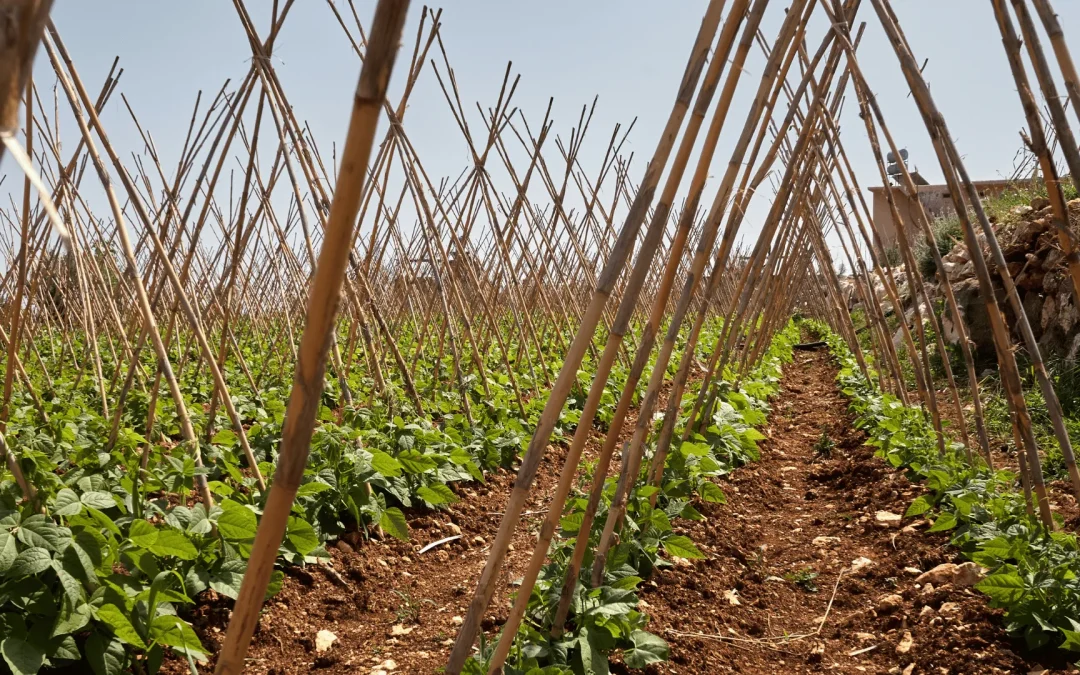
A tomato plant can look healthy for weeks, then suddenly lean or collapse halfway through the growing season. One common reason is an undersized support stake. If the stake is too short, it cannot provide enough support. If it is too thin, it may bend or break under the plant’s weight. Choosing the right wooden stake length and thickness helps prevent these problems. The best dimensions depend on the plant’s mature size, growing conditions, soil structure, and exposure to wind.
How to Choose Wooden Stake Length
The easiest way to determine the correct stake length is to consider two measurements: the plant’s expected mature height and the depth required to secure the stake.
Use this simple formula:
Stake length = Mature plant height + Insertion depth
For example, a tomato plant expected to reach 1.5 meters (4.9 feet) may need a stake around 2 meters (6.6 feet) long. This provides enough height above the ground while leaving room for a secure foundation.
As a general guide, bury around one-quarter to one-third of the total stake length. However, soil conditions can change this requirement.
- Firm soil: A depth of around one-quarter of the stake length may provide sufficient support.
- Loose or sandy soil: Insert the stake deeper to improve stability.
- Soft garden beds: Check whether the stake remains upright after installation.
Avoid choosing a stake based only on the plant’s current height. Consider its expected growth throughout the season.

Common Wooden Stake Lengths by Use
Different plants require different support heights. The following measurements are general references, not fixed product specifications.
Plant category | Recommended length |
Small flowers and compact plants | 0.6–0.9 m (2–3 ft) |
Vegetables such as tomatoes and chilies | 1.5–2.1 m (5–7 ft) |
Climbing and vining plants | 1.8–2.4 m (6–8 ft) |
Young trees | 2.1–3 m (7–10 ft) |
These ranges help narrow down the right size. However, actual requirements depend on plant growth habits and support methods.
For example, compact flowers usually need shorter stakes. Tall tomato varieties require more vertical support, especially when carrying heavy fruit. Young trees may need longer stakes to maintain an upright position while their roots develop.
Always measure the expected plant height before purchasing.
How Thick Should Wooden Stakes Be?
The right thickness depends on the weight a stake must support and the surrounding conditions. Heavier plants need stronger stakes. Gardens exposed to frequent wind also benefit from thicker dimensions.
Here are general thickness recommendations:
- Lightweight plants: Around 1–1.5 cm (0.4–0.6 inches) for small flowers and compact vegetables.
- Fruit-heavy vegetables: Around 2–3 cm (0.8–1.2 inches) for mature tomatoes and similar crops.
- Young trees: Around 3–5 cm (1.2–2 inches), depending on tree size and wind exposure.
When selecting wooden stakes thick enough for outdoor use, consider the plant’s total weight rather than its stem size alone.
Wind also creates additional pressure. A stake that works in a sheltered garden may struggle in an exposed location. Choosing a thicker measurement can help reduce bending and breakage.
The wood species also influences the stake’s overall strength, so dimensions should not be the only consideration.

Other Details to Check before Buying
Length and thickness are the main factors, but a few physical details also affect installation and performance.
- Pointed ends: A tapered tip makes it easier to push the stake into the soil.
- Shape: Square stakes offer flat surfaces for tying plants, while round stakes provide a smooth profile.
- Straight construction: Choose stakes without visible cracks, major bends, or weak sections.
- Surface protection: If you plan to reuse stakes across multiple growing seasons, check whether they have suitable protection against moisture and ground contact.
These details help maintain stability and make installation easier.
Choose Wooden Stakes That Match Your Plants
Selecting the right support does not need to be complicated. Focus on three questions before buying: How tall will the plant grow? How much weight must the stake carry? What type of soil will hold it?
The answers help determine the ideal stake length and thickness. Avoid undersized dimensions, especially for fruit-heavy plants or windy gardens. A properly sized stake provides dependable support throughout the growing season. Urban Plastic offers wooden stake solutions for different planting requirements. Check the available dimensions and match them with your plants and garden conditions before choosing.
For more information about Wooden Stakes please contact: Whatsapp/Mobile Phone: +62 822 9933 3938 (Ms. Panni) or Email : info@urbanplastic.id