
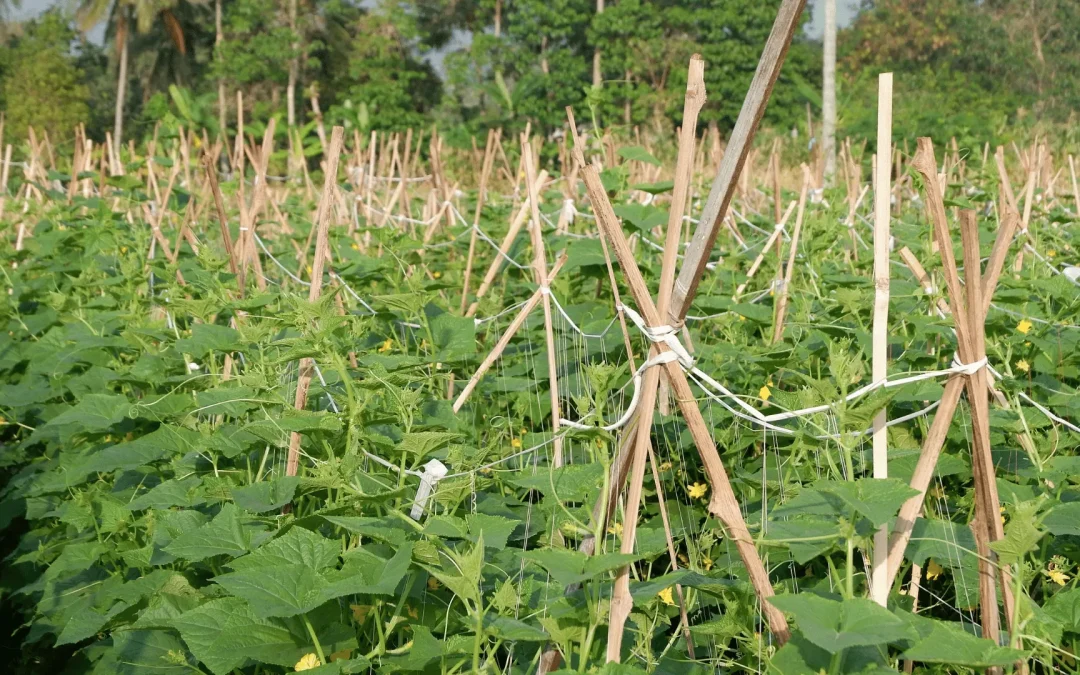
Many gardeners search for wooden stakes nearby and wooden stakes outdoor solutions before choosing the right support for their plants. Both searches share the same goal. Gardeners want sturdy stakes that protect plants and encourage healthy growth throughout the season.
Wooden stakes remain one of the most practical gardening accessories. They help plants grow upright while reducing damage from wind or heavy fruit. Moreover, they improve airflow around stems and leaves. Better air circulation lowers moisture buildup and supports healthier plants.
Why Wooden Stakes Nearby, Wooden Stakes Outdoor Matter for Plant Growth
We know that many plants cannot support their own weight during rapid growth. Some varieties develop heavy fruits or long stems. Without support, they may bend, break, or touch the soil. So, wooden stakes solve these problems effectively.
They keep stems upright while reducing unnecessary stress. Furthermore, they help plants receive more sunlight because leaves remain properly positioned. Gardeners also enjoy easier watering, pruning and harvesting. Straight plants create better access throughout the growing season.
Commonly, gardeners use wooden stakes in home gardens, commercial farms, and landscaping projects. They also choose them for vegetable beds, flower gardens, and young trees. Their simple design makes installation quick and maintenance easy.


Natural and Manufactured Wooden Stakes
Manufacturers produce plant stakes from different materials. Each option offers unique advantages depending on gardening needs. Natural wooden stakes usually come from hardwood or bamboo. These materials blend naturally into outdoor spaces. They also provide excellent strength for seasonal gardening. Many gardeners appreciate their traditional appearance and biodegradable nature.
Manufactured stakes offer another solution. Some products combine engineered wood with protective coatings for greater durability. Others use composite materials that resemble natural wood. These alternatives often resist moisture, insects, and weather exposure more effectively. Choosing the right material depends on climate, project duration, and maintenance preferences.
What Plants Size Needs Wooden Stakes?
Tomatoes rank among the most popular plants requiring support. However, stake size depends on the tomato variety. Small determinate tomatoes usually grow between 60 and 90 centimeters tall. A wooden stake measuring around 90 to 120 centimeters often provides sufficient support.
Indeterminate tomatoes continue growing throughout the season. Many reach heights between 150 and 240 centimeters. These varieties require stakes measuring approximately 180 to 240 centimeters. Taller stakes prevent stems from collapsing under heavy fruit production.
Many vegetables and ornamental plants also grow better with sturdy stakes. Peppers often carry heavy fruits despite compact growth. Wooden stakes reduce branch breakage during harvest. Eggplants also benefit from extra stability. Mature fruits create additional weight that weakens unsupported stems.
Beans grow rapidly and climb naturally. Gardeners frequently combine wooden stakes with garden twine to create simple climbing structures. Young fruit trees sometimes require temporary support during establishment. Wooden stakes help trunks remain straight while roots develop properly.
Flowering plants also respond well to staking. Sunflowers, dahlias, and delphiniums frequently need additional support against strong winds. Gardeners should install stakes shortly after planting. Early installation protects developing roots because later adjustments may disturb the soil.
Tips for Using Wooden Stakes Outdoors
Proper installation improves performance and extends stake life.
- Choose a stake longer than the expected plant height. This approach provides stronger support during full growth.
- Push the stake firmly into the soil before plants become large. Early placement reduces root disturbance later.
- Tie stems loosely using soft materials instead of wire. Tight ties may damage delicate stems during growth.
- Inspect ties regularly throughout the season. Plants expand continuously, so adjustments prevent unnecessary pressure.
- Replace damaged stakes immediately. Cracked or unstable supports cannot protect growing plants effectively.
- Store reusable stakes in a dry location after harvest. Clean surfaces before storage to reduce fungal growth and improve longevity.
Choosing Quality Wooden Stakes
Quality matters more than appearance alone. Strong stakes provide dependable support through changing weather conditions. Look for smooth surfaces without deep cracks. Straight stakes also simplify installation and improve overall stability.
Weather resistance remains another important factor. Outdoor conditions expose stakes to rain, sunlight, and soil moisture. Durable materials help reduce replacements and maintenance costs. Selecting the correct length also improves performance. Oversized stakes often provide greater flexibility for taller plants.
Search for wooden stakes nearby, wooden stakes outdoor products help improve growth and protect valuable crops. Natural or manufactured stakes both offer practical advantages for gardens, farms and landscaping projects. For dependable wooden stakes and quality gardening solutions, Urban Plastic provides products designed to support various planting applications.
For more information about Wooden Stakes please contact: Whatsapp/Mobile Phone: +62 811 1721 338 (Ms. Ais) or Email : info@urbanplastic.id.